
Calibration
- Home -
- Calibration

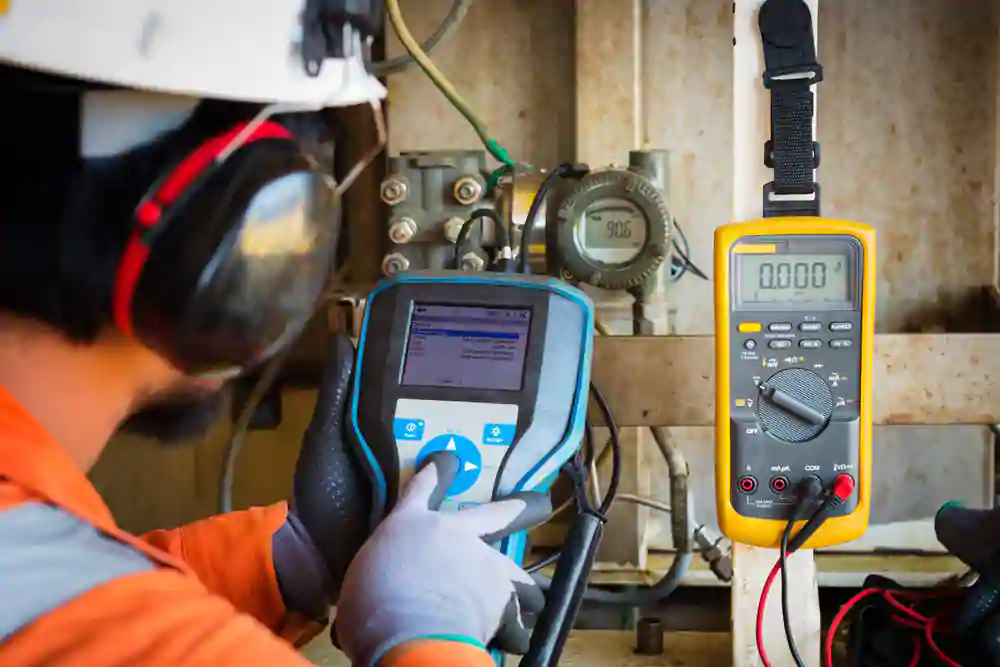
We are expert in Gas Meter Calibration, Pressure Gauge Calibration, Safety Valve Calibration, Flow Meters Calibration, Fuel Dispenser Calibration, and Storage Tanks Calibration.
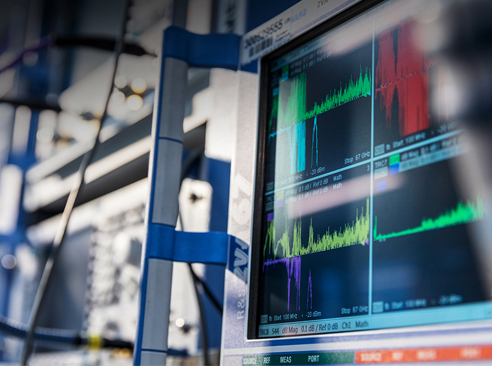
Our qualified instrument technicians have the training and equipment necessary to provide you with state-of-the art testing and calibration. We can help you:
PSV calibration is done by comparing the set pressure, which is the rapid releasing action (popping) of the PSV, to the displayed value of the reference standard. The pressure relief valve testing procedure to verify the accuracy of output pressure (set pressure) is the same
One of the most commonly used calibration instruments in the process industry are pressure gauges. Regular calibration of pressure gauges is important because these being mechanical instruments, they are prone to drifting off due to mechanical stress.
Calibration of gas meters has become a necessity nowadays. ... A Prover provides a certain volume to the gas meter under test and thus a direct comparison between the meter's reading and the volume's value can be performed. This method is mainly used for calibrating small domestic / diaphragm meters
Flow meter calibration is the process of comparing the pre-set scale or metering of a flow meter to a standard scale of measurement and adjusting its metering to conform to the standard.
Calibration typically involves manually dispensing fuel from a fuel dispenser into a metered container and comparing the amount dispensed into the container to the amount the fuel dispenser indicates has been dispensed.
The fuel tank calibration process is the step-by-step fuel tank refueling from “Empty” up to the “Full”, with predefined amount of fuel for each step, and fixing the mapping between the level code and volume in the calibration table.